BLENDi Plans 2027 Fundraise for Marketing, New Products
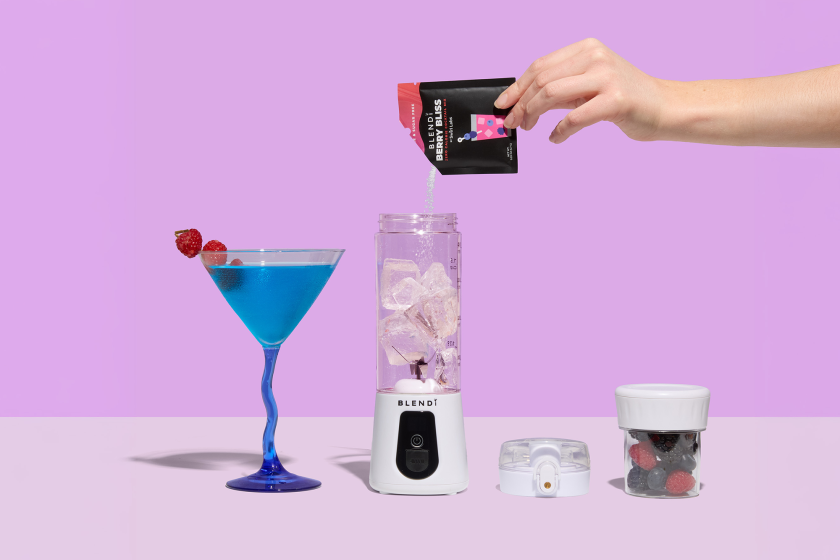
Katz Enterprises LLC, the company behind portable blender brand BLENDi, plans to seek $300,000 to $500,000 in early 2027 to fund marketing, product development and hiring, founder and CEO Jonathan Katz told The Deal.
The Needham, Mass.-based company is open to investor conversations now but hasn’t launched a formal funding round.
Katz expects to structure the financing as either a convertible note or a simple agreement for future equity, known as a SAFE. He would welcome a single investor or several, most likely angels or a family office, and plans to finance inventory separately through debt.
An investor who has built and exited a direct-to-consumer business would be an especially good fit, Katz said. Marketing expertise matters most as BLENDi works to strengthen its presence on TikTok and bring more of that work in-house. Retail and distribution relationships would also help.
“The ideal investor would be somebody who’s exited a direct-to-consumer business, knows the layout of the land, so to speak, and can propel us forward,” Katz said.
He expects an in-house marketing specialist to be the first hire following a raise, potentially followed by content producers.
Katz started BLENDi in 2016 while attending Springfield College. A bodybuilder at the time, he wanted a way to make smooth protein shakes on the go.
“A shaker bottle really wasn’t cutting it,” he said.
Katz used earnings from an eBay Inc. (EBAY) side business and other jobs to fund early development, then took a credit card cash advance to help pay for the first production run of 300 blenders.
BLENDi now sells portable blenders at three price points, along with mocktail mixes. Promotional products account for the largest share of sales and generate the strongest margins.
Katz is evaluating about five potential products and expects to pursue one or two that fit BLENDi’s focus on portable, rechargeable devices.
“Pretty much anything cordless, portable, rechargeable is in the game plan,” Katz said.
Beyond hardware, he sees an opportunity to sell supplements to DTC customers. In October, the business also plans to launch BLENDi Pulse, an app with recipes, a fridge scanner and tools intended to support users’ health goals.
Katz identified cash flow as a constraint on further growth. Economic pressure on small specialty retailers has also weakened wholesale sales, he said. Tariffs were a wake-up call, but BLENDi continues to work with the same manufacturers that it has used since its early days.
Katz considers Ninja, a brand of SharkNinja Operating LLC, as BLENDi’s biggest portable blender competitor, although he noted that Ninja has devoted more attention to other appliances. He believes the portable blender market can grow if brands show more consumers what their products can do.
“We just see the market continuing to expand,” he said. “Really, the biggest challenge is just education and convincing the consumer.”
Editor’s note: The original, full version of this article was published Sept. 28, 2026, on The Deal’s premium subscription website. For access, log in to TheDeal.com or use the form below to request a demo.
More From Private Cos.

Healthy Kids Expands to New Markets

CloudEQ Scales Up Global IT Services Group

CrewBloom Seeks to Accelerate Growth Ahead of Sale Efforts
